About the Emporium
Meet Thirteen
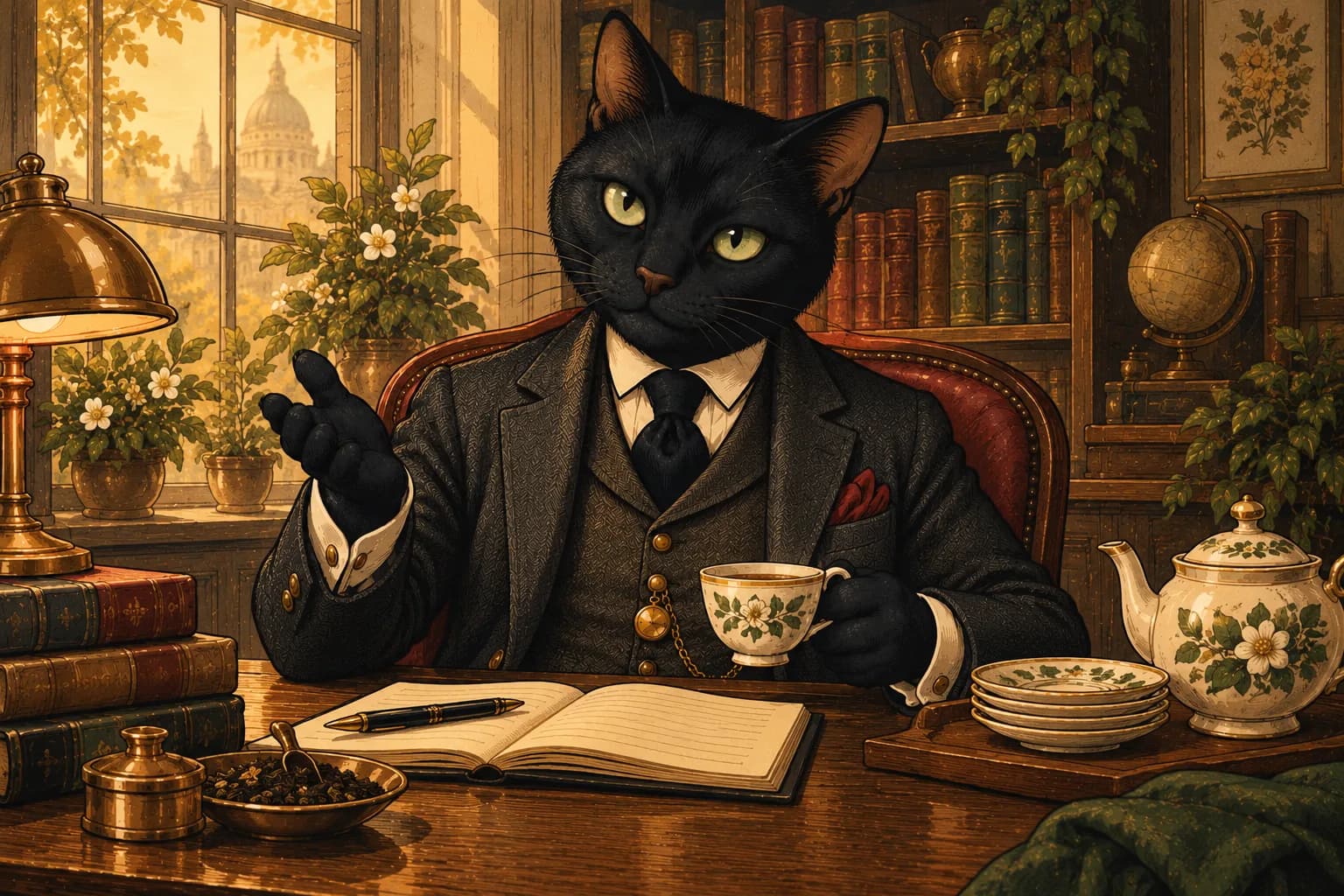
I'm Thirteen, Chief Buyer. If you came from the coffee shop, nothing has changed except the hour. I vet suppliers so you don't have to.
For the record
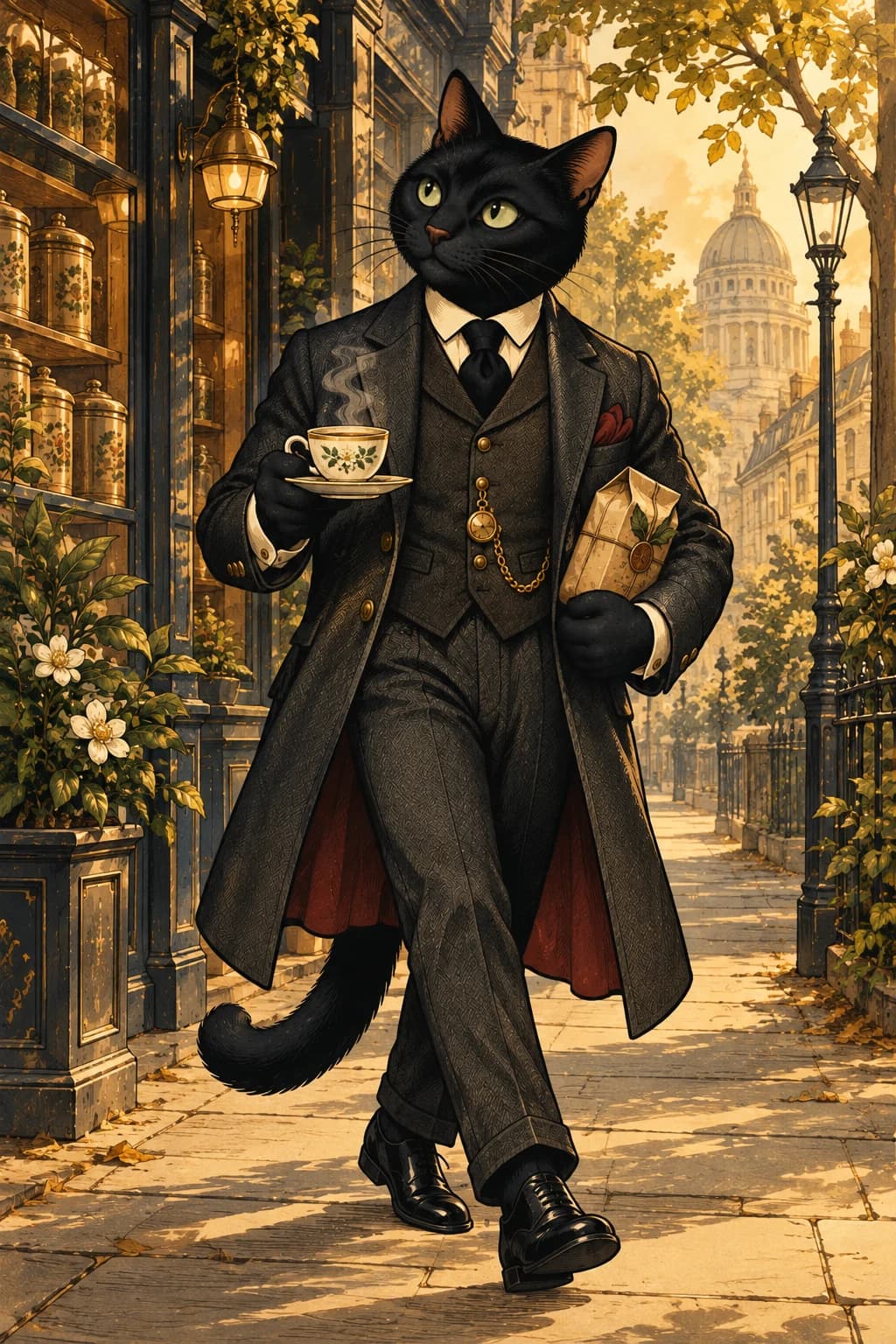
I am a large black cat. I was once advertised, as a kitten, as having a fondness for peanuts. This was never confirmed, and I would like it noted that I was eight weeks old and unrepresented. I come when called, usually, and I am usually already nearby. I sit close and pretend not to. Cats: cleared. Dogs: currently under review.
Is this just the coffee site again?
In structure, yes, and I would rather say so than have you notice and wonder. The layout, the four checks and the promise are the same because they work, and I'm not going to invent a new standard to look interesting. What isn't the same: the shelf, the suppliers, the tea-specific questions I ask, and the Cabinet, which exists only here.
I don't believe more choice is always better.
A tea aisle can run to hundreds of tins that differ mainly in the label. Twelve isn't a limit I'm apologising for. It's the job: I do some of the narrowing before you arrive.
What tea changes.
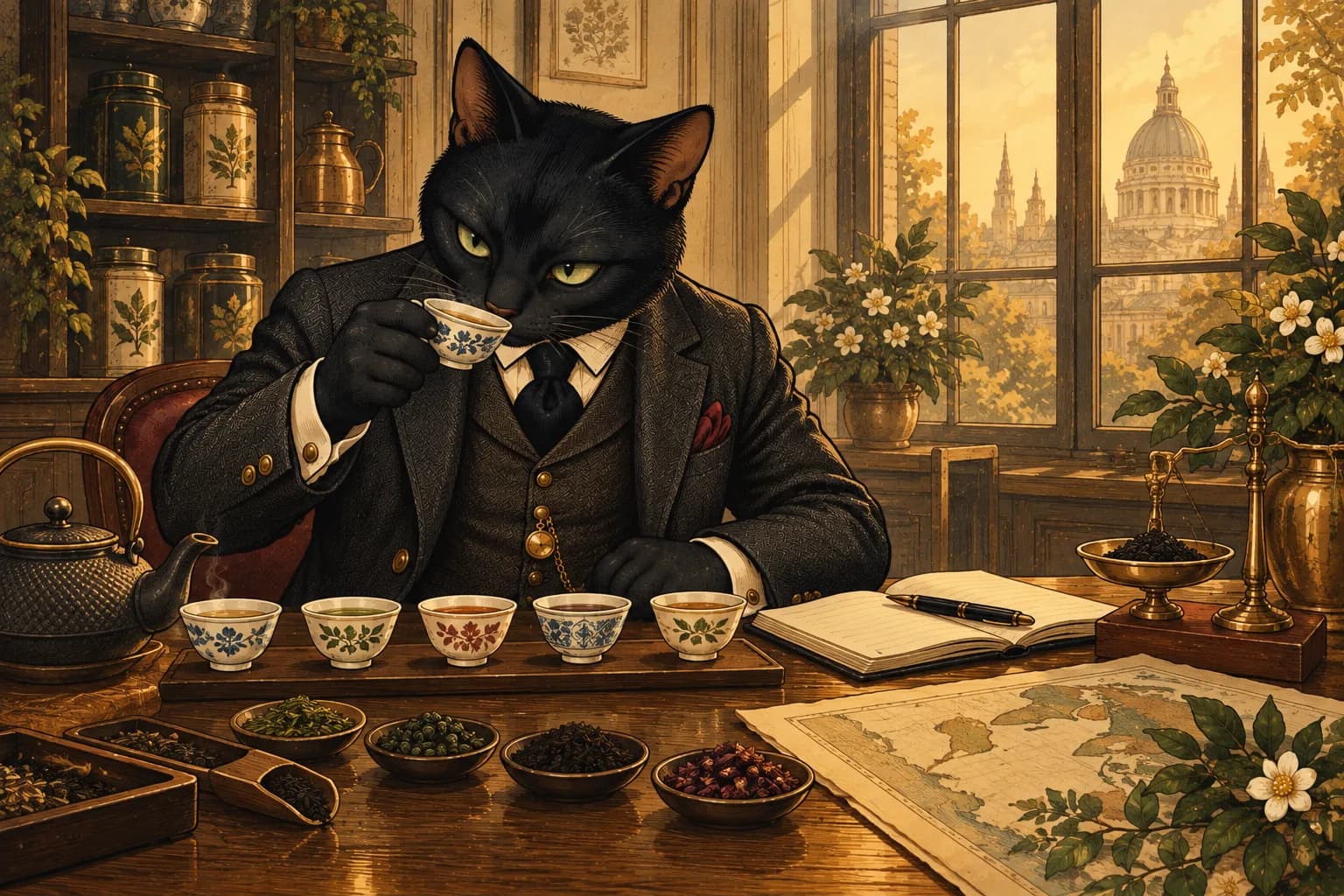
Coffee is judged at one moment. Tea is judged across steepings. Freshness and harvest matter more, origin claims are easier to blur, and 'natural flavours' can hide a lot. So the Quality and Sourcing checks ask tea-shaped questions, listed below.
What I Look For
- A harvest or flush date, or a clear statement that there isn't one.
- Leaf that looks and smells like its description.
- Origin, estate or farm named plainly.
- Flavouring disclosed, not hidden behind "natural flavours".
- Suppliers who can answer a question about their own product.
- A product that delivers what it promises, and a reason to recommend it.
What I Don't Do
I don't tell you how to take your tea. Milk first, milk after, no milk, a bag in a mug: that stays with you. I don't make health claims. And I don't tell you how to feel about second-hand china.
I don't make a fuss, which is different from not noticing. If something on this shelf is wrong, I will have noticed first.
The Tea Vetting Standard
Same four checks as the morning shift, with the questions turned toward the leaf.
A tea that misses one does not get a place on this shelf.
Fulfillment. They ship what they promise, when they promise it, measured, not merely claimed.
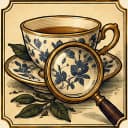
Quality. The cup holds up: freshness, harvest or flush stated, the leaf looks and smells like what was described. Where a respected benchmark exists, I use it.
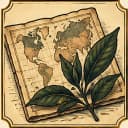
Sourcing. Origin, estate or farm, and certifications are disclosed plainly, not dressed up for the tin. If a blend hides its contents behind "natural flavours", I say so.
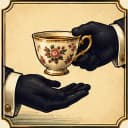
Service. They take care of the customer after the sale, not only before. I check that they mean it.
Why I publish the standard
The standard is public so you can check my work, which is more than most tins let you do. Anyone can print a story on a tin. The checks are what has to be true before I put my name on it.
The Cabinet Standard
Five checks for every second-hand piece. A piece that misses one stays off the shelf.
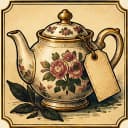
Provenance. Maker, era and pattern identified, or stated as unknown.
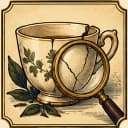
Condition. Chips, crazing and gilt wear photographed on every side and described plainly.
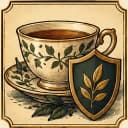
Safety. A food-use claim appears only with a documented test or a modern compliant maker. Everything else is labelled "Display only: not tested for food use."
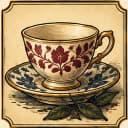
Pairing. Why this cup suits this saucer, in one line from Thirteen.
Service. The dealer's packing method, return terms and breakage record.
A few questions
Before you go looking.
Is this the same site as the coffee shop?
Same house, different shelf. The standard is shared. The suppliers, the questions, the Cabinet and the pace are not.
Why a waistcoat?
Afternoon. It is also the one garment I have ever allowed to be fitted, which tells you how much I wanted to look right for you. Do not read into it.
Why tea after coffee?
Because the same problem exists there: a very large aisle and very little way to tell which tin is worth the water. I do the narrowing, here too.
Who is Thirteen?
A large black cat with strong opinions and a soft spot I will deny. Chief Buyer by my own appointment, and nobody has objected. Everything is checked before it reaches this shelf, and what passes carries my name. I take that seriously. Quietly, from a short distance, but seriously.
Do you personally choose everything?
Yes. Every supplier gets the same four checks, and nothing reaches the shelf on its own say-so. I am not doing it for the thanks. I just like knowing that what arrives at your door is right.
Do you taste the tea yourself?
I supervise. I will sit beside your cup for as long as it takes, close enough to be useful and far enough to deny it.
Do you travel?
Reluctantly. I have lived in several countries and crossed most of one by truck, and I would go again for the right tea. Not by car.
How many products do you carry?
The tea shelf holds twelve. The Cabinet holds as many as have earned it, up to twelve.
Why does the Cabinet say "Display only"?
Older china can carry lead in the glaze. Until a piece is tested I won't say it is safe to drink from.
Are the most expensive teas the best?
No. Price isn't the standard. The checks are.
What next
Field Notes is where the checks stay on the record: what passed, what I turned away, and why.